Choline and Choline Bitartrate
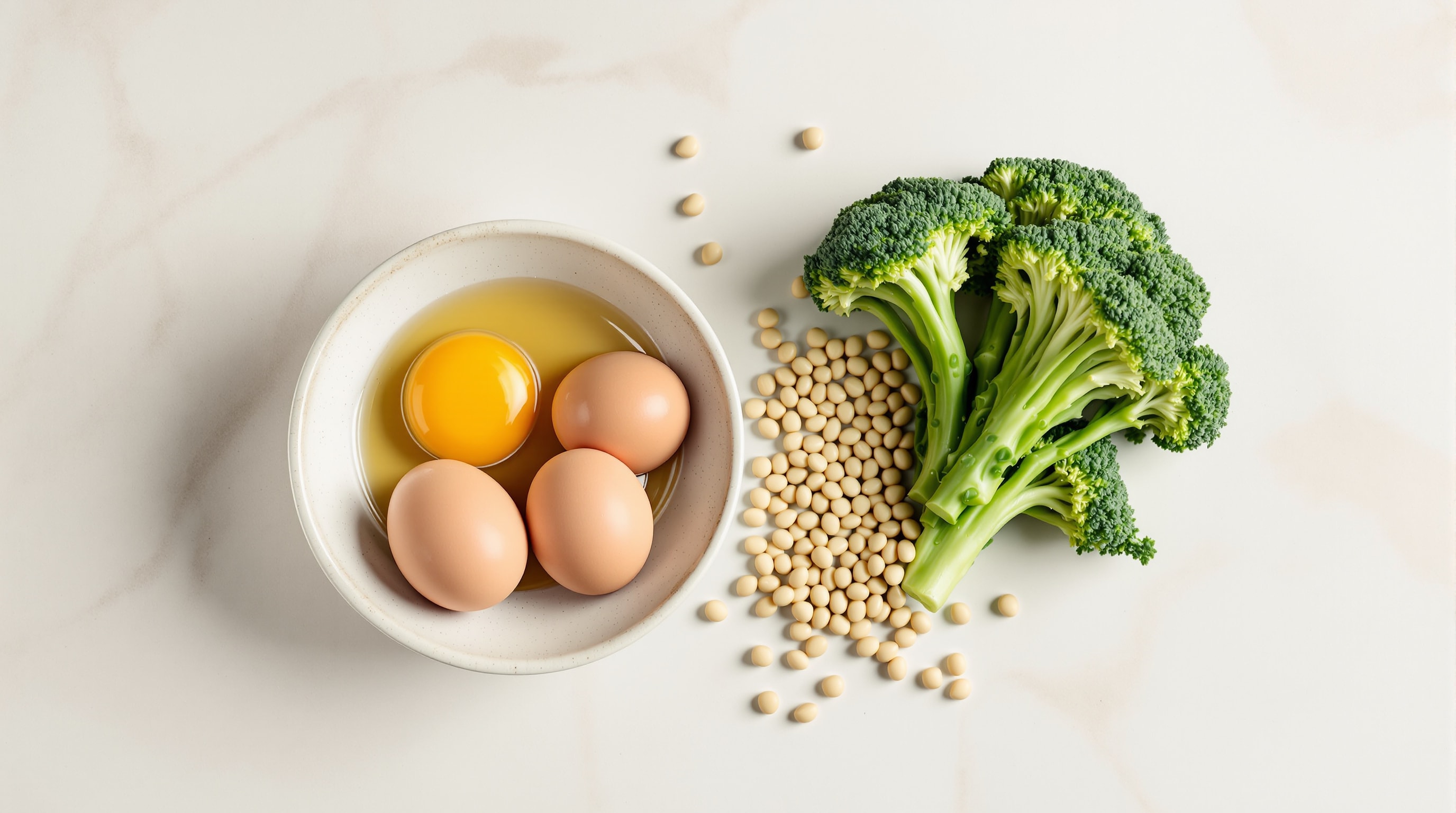
Choline appears frequently in discussions of attention, memory and brain function, and choline bitartrate is one of the salt forms in which it is sold. This page explains what the nutrient is and what it does, and states plainly what the evidence does and does not establish about it.
The authoritative reference is the NIH Office of Dietary Supplements fact sheet on choline, which sets out intake recommendations, food sources, deficiency, safety limits and research status in full. Anyone with a practical question should read it directly.
What Choline Is
Choline is an essential nutrient. The body produces some in the liver, but not enough to meet requirements, so the remainder must come from diet. It is water-soluble and grouped with the B vitamins for convenience, though it is not strictly a vitamin.
"Choline bitartrate" refers to choline combined with tartaric acid — a salt form used to make the nutrient stable and manageable in supplement manufacturing. Other forms exist. The distinction is one of chemistry and absorption, not of a different substance.
What It Does in the Body
Choline has several established physiological roles:
- Cell membrane structure. It is a precursor for phosphatidylcholine and sphingomyelin, major structural components of cell membranes throughout the body.
- Neurotransmitter synthesis. It is a precursor for acetylcholine, a neurotransmitter involved in muscle control, memory and other nervous system functions.
- Methyl group metabolism. Via its metabolite betaine, it participates in methylation reactions relevant to DNA and to the metabolism of other compounds.
- Lipid transport. It is required for moving fat out of the liver, which is why deficiency is associated with fat accumulation there.
Its role as an acetylcholine precursor is why choline appears in discussions of memory and attention. It is worth being careful about the inference commonly drawn from this, which is addressed below.
Food Sources
Choline occurs in a wide range of foods. Among the richest are egg yolk, liver and other organ meats, meat, poultry, fish, dairy products, soybeans and other legumes, cruciferous vegetables such as broccoli and Brussels sprouts, and certain nuts and seeds. The ODS fact sheet gives quantities.
Because sources are varied and common, frank deficiency is uncommon in people eating an ordinary mixed diet, though survey data suggest many people consume less than the recommended adequate intake. The clinical significance of intakes below that figure, in otherwise healthy people, is not fully established.
Deficiency
Genuine deficiency is documented mainly in controlled research settings and specific clinical circumstances rather than as a common finding. Where it occurs, effects described include liver and muscle damage. Requirements vary considerably between individuals for genetic and hormonal reasons.
What the Evidence Does Not Establish
Here is where care is needed, because a specific piece of reasoning is very common and does not hold.
The reasoning runs: choline is a precursor to acetylcholine; acetylcholine is involved in memory and attention; therefore taking more choline improves memory and attention. Each individual step sounds sensible, and the conclusion does not follow. Precursor availability is not usually what limits neurotransmitter function, and supplying more of an input to a regulated system does not reliably increase its output.
The general principle applies well beyond choline: a nutrient having a role in a process is not evidence that supplementing it improves that process in someone who is not deficient. That is an empirical question requiring trials, and it must be answered separately for each claim.
The ODS fact sheet summarises the current research status for the various outcomes choline has been studied against. Readers evaluating a specific claim should compare it against that summary rather than against the mechanism.
Safety
Choline has an established tolerable upper intake level, and effects reported at high intakes include a fishy body odour, sweating, gastrointestinal effects and lowered blood pressure. The existence of an upper limit is itself the point worth taking: essential nutrients are not harmless in unlimited quantity.
As with anything taken, a prescriber should be told about it, since supplements can interact with medicines. MedlinePlus explains how supplements are regulated in the United States and what that means for consumers.
Why This Page Exists
Choline appears on this site as a nutrient reference, not as a suggestion. Nothing here recommends taking it, and no dose is given anywhere on this page. For the broader question of diet and ADHD, see diet and nutrition; for the general position on complementary approaches, see the range of approaches. A related nutrient reference covers phenylalanine.
Informational only. This page explains general concepts and summarises what public health authorities publish. It is not medical advice, not a diagnosis, and not a treatment recommendation. Decisions about assessment, medication and support belong with a qualified clinician who knows the person involved.